
Last updated September 24, 2026
Free in-home measure and quote - PGT, CGI and CWS impact lines compared on your actual openings, style by style
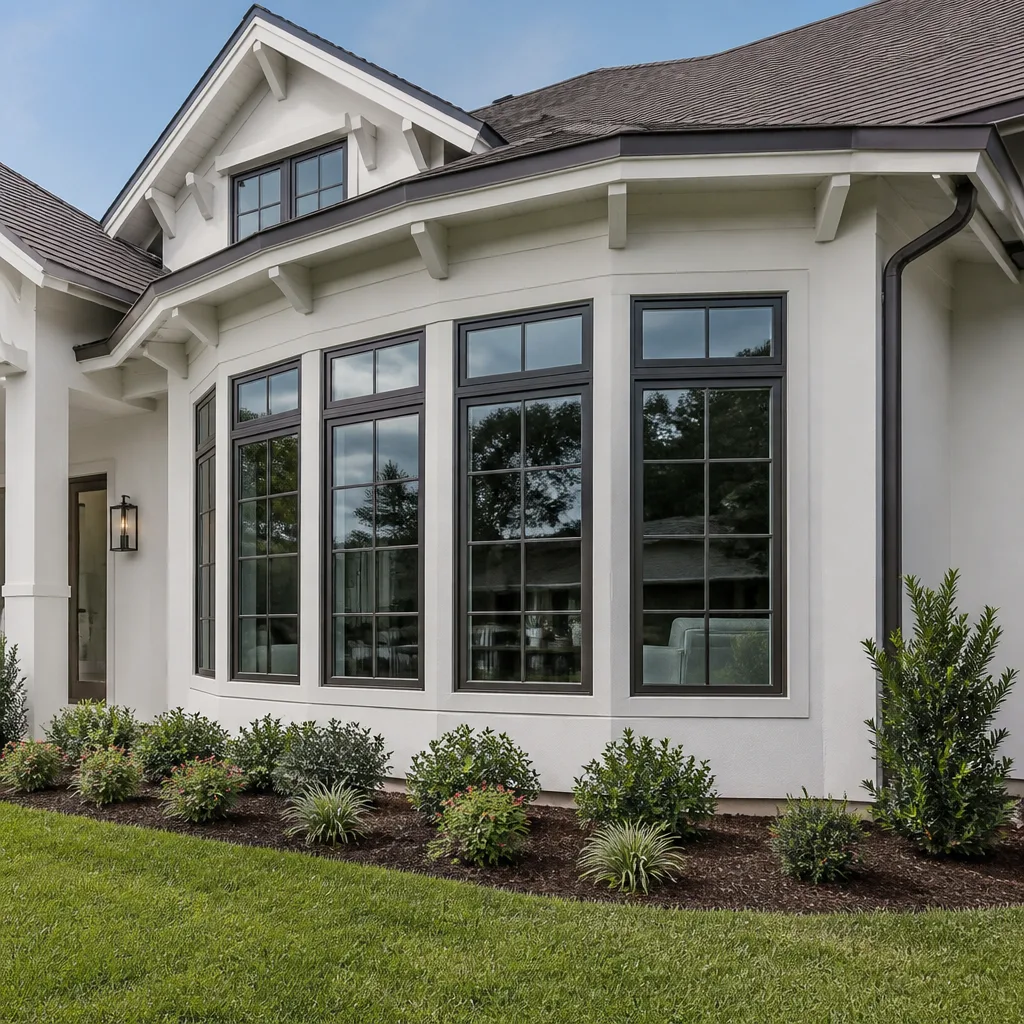
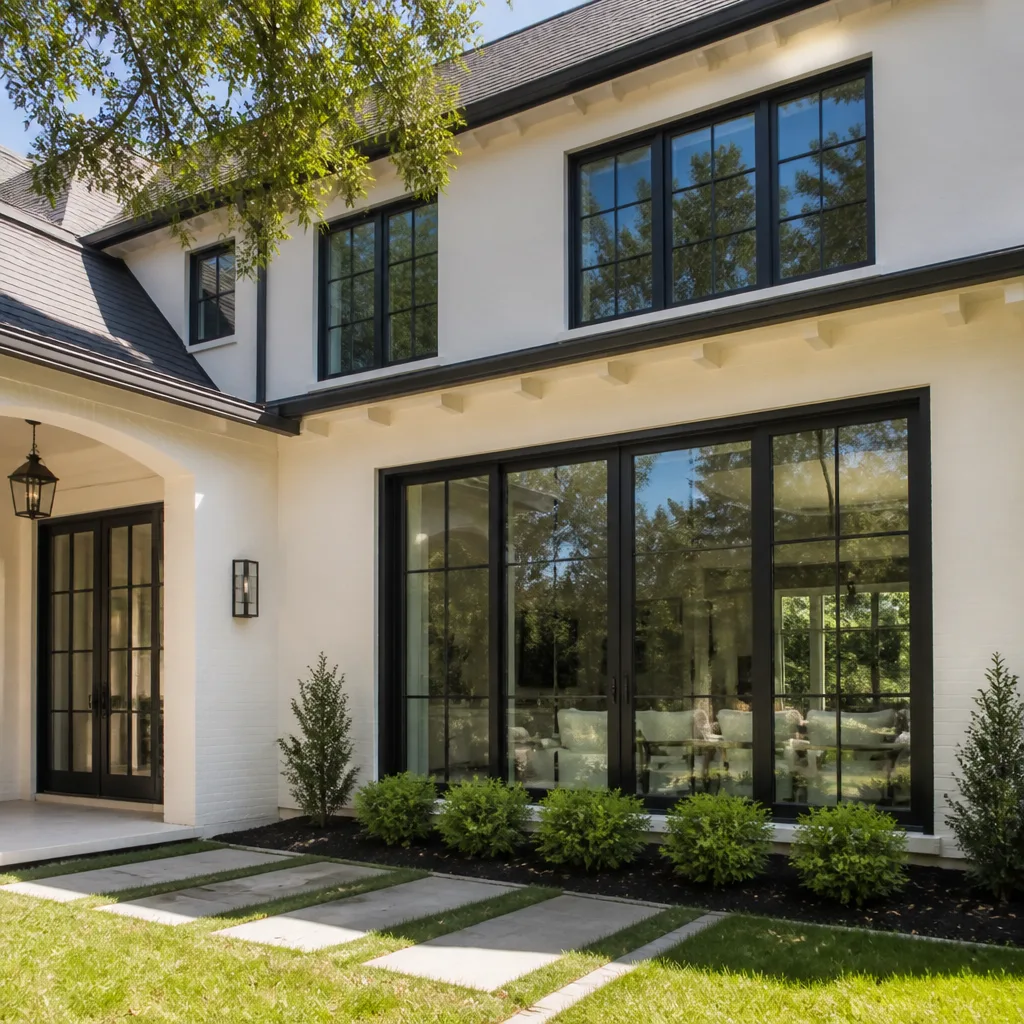
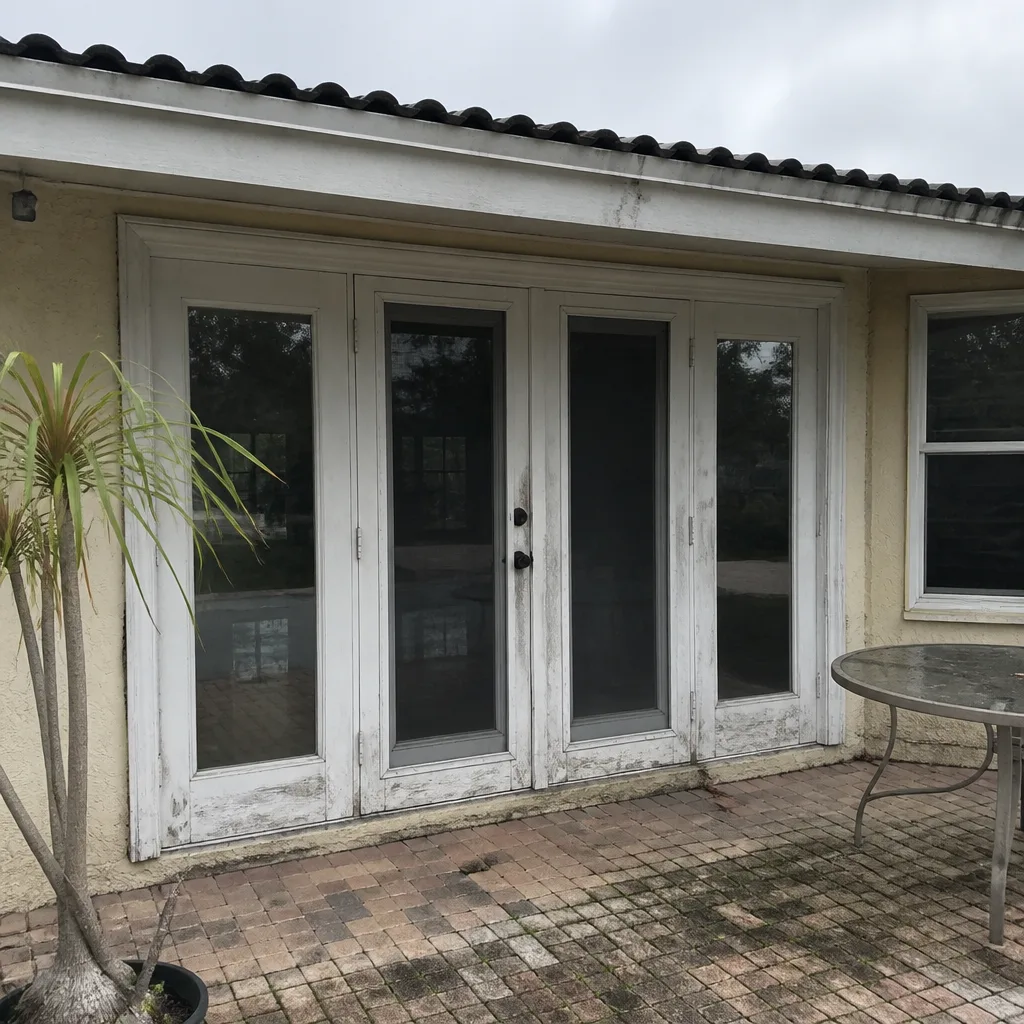 Before
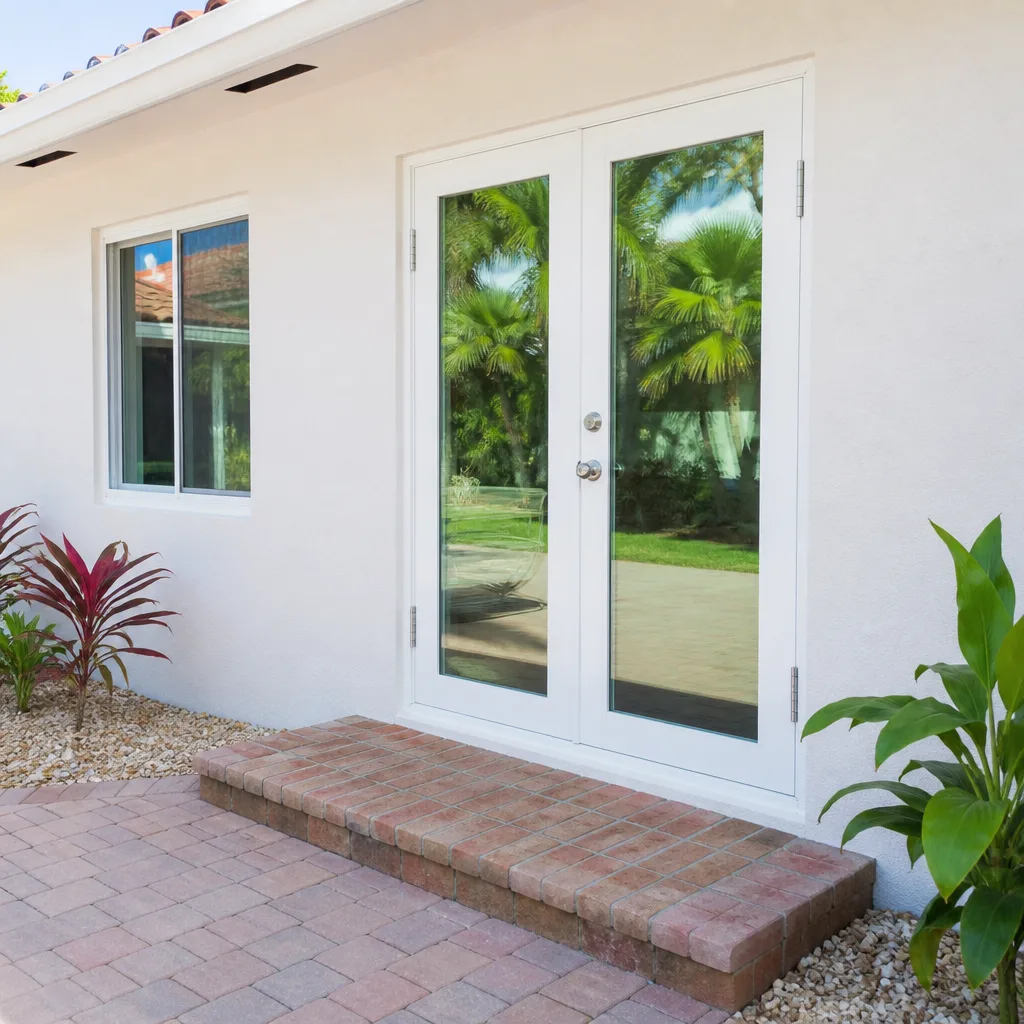 After
After Before
 After
After Before
 After
AfterWindows & Doors Warning Signs: A Davie Homeowner’s Reference Guide
A window that sticks a little in Davie is not a nuisance. In our experience across more than 18,000 openings since 2012, it is frequently a frame-racking indicator caused by foundation settlement or lintel deflection, two conditions that worsen under the load of hurricane hardware. Most homeowners here conflate cosmetic deterioration with structural failure, and that confusion costs between $400 and $3,200 depending on whether you treat the symptom or the cause. This guide-along with our Complete Guide to Windows & Doors in Davie-gives you a diagnostic framework that separates window and door problems into four categories by urgency, cost consequence, and whether the issue is a safety risk, a code failure, active water intrusion, or efficiency degradation. You will learn to distinguish seal failure from humidity condensation, identify structural racking before it destroys the frame, and document conditions in writing so that any contractor or insurance adjuster evaluates what you actually observed.
Quick Answer
Window and door warning signs in Davie fall into four tiers: immediate safety risks (cracked impact glass, failed locks, separating frames), code compliance failures (non-impact-rated openings in hurricane zones, missing egress capability), active water intrusion (stained drywall, soft sill plates, weep blockages), and cosmetic or efficiency degradation (fogged glass, faded finishes, elevated U-factors). Surface condensation is a humidity issue; condensation between panes is seal failure requiring replacement. Structural causes like foundation settlement produce racking symptoms that return within 12-18 months if only the window or door is replaced.
Table of Contents
- Tier One: Immediate Safety Risks
- Tier Two: Code Compliance Failures
- Tier Three: Active Water Intrusion
- Tier Four: Cosmetic and Efficiency Degradation
- Condensation Between Panes vs. Surface Condensation
- Structural Racking and Deflection Indicators
- The 10-Minute Functional Check
- How to Document Warning Signs for Contractors and Adjusters
 Before
 After
AfterTier One: Immediate Safety Risks
These conditions present injury risk or security exposure and should be addressed within days, not weeks. In Davie, where summer storms arrive with little warning and hurricane season runs June through November, a compromised opening is a liability that escalates quickly.
Cracked or Shattered Impact Glass
Impact-rated glass is designed to absorb projectile energy without breaching the envelope. A spiderweb crack in the laminate layer, even without full penetration, has consumed the glass’s design capacity. The next impact, or sometimes just thermal stress from a 95-degree Davie afternoon followed by a thunderstorm cooldown, completes the failure. We have replaced impact units in Shenandoah and Oak Hill where homeowners delayed because “it still looked intact.” The crack propagates, the interlayer delaminates, and the opening becomes a pressure point during wind events.
Check the crack pattern. Radial cracking from a center point indicates impact. Linear cracking along the edge suggests frame stress or thermal shock. Both require replacement; the difference matters for insurance documentation.
Failed Locking Hardware
Multi-point locks on patio doors and casement windows bear the clamping load that keeps the sash sealed against weatherstripping. When a single point fails, the remaining points carry overload and fail in sequence. A door that latches but does not deadbolt is a security risk. A window crank that skips past the closed position has stripped the worm gear and will not hold under negative wind pressure.
In Davie’s older subdivisions like Long Lake Ranches and Forest Ridge, we see original brass hardware that has work-hardened and cracked. The metal becomes brittle after years of cyclic loading. Replacement hardware costs $80-$220; replacing the entire door because the frame has been leveraged open costs $1,800-$4,500.
Frame Corner Separation
Vinyl and aluminum window frames are mechanically joined or heat-fused at the corners. When you can insert a credit card into the corner joint, the frame has lost structural integrity. The sash will not seal, the hardware will not align, and the unit may detach under wind load. This is not a caulking problem. Caulk over a failed joint conceals the condition for six months until the gap widens and the sash drops.
Safety caveat: Do not attempt to disassemble or rejoin a separated frame. The spring balances in double-hung windows store significant energy, and improper handling can release the sash suddenly. This work requires proper tooling and technique.
- Cracked impact glass: replace within 72 hours
- Failed locks: address before leaving the property unattended
- Frame separation: do not operate the sash; schedule replacement
- Detached or corroded fasteners in hurricane shutters or panels: secure before storm season
Tier Two: Code Compliance Failures
Broward County enforces the Florida Building Code with local amendments for wind-borne debris regions. Davie sits in a High-Velocity Hurricane Zone. Code compliance is not abstract; it determines whether your homeowners insurance will pay, whether your sale will close, and whether an occupancy permit issues after renovation. Our DIY vs Professional Windows & Doors guide explains when code complexity requires licensed expertise.
Non-Impact-Rated Openings in Hurricane Zones
Any window or door installed after 2002 must be impact-rated or protected by an approved shutter system. Pre-2002 installations are not grandfathered if they are replaced; the replacement must meet current standards. We regularly encounter homes in Davie’s 1980s and 1990s stock, particularly in neighborhoods like Ivanhoe and Hawkes Bluff, where owners installed “replacement windows” from big-box retailers that carry no HVHZ approval. The installation looks correct. The paperwork does not exist.
The consequence surfaces at sale, when the buyer’s inspector requests Miami-Dade NOA documentation, or after a storm, when the insurer denies the claim for an unapproved opening. Verify the rating: every impact-rated product carries a permanent label with the NOA number, manufacturer, and design pressure rating. Photograph this label. It is your evidence.
Egress Failures
Bedroom windows must provide a clear opening of 5.7 square feet with a minimum height of 24 inches and width of 20 inches, and the sill cannot exceed 44 inches above the floor. Fixed picture windows in bedrooms violate this standard. So do replacement casements that open inward and obstruct the clear opening with the sash. In Davie’s ranch-style homes from the 1960s and 1970s, we see original awning windows over beds that were legal when installed but fail current egress requirements if replaced without upgrading the opening size.
Garage Door Wind Load
Garage doors are the largest opening in most homes and the most common point of structural failure during hurricanes. A non-rated garage door in Davie is a code violation if the home was built or the door replaced after 1994. The wind load must be posted on the door or track assembly. Door installation in Davie requires verification of this rating; we use Therma-Tru and ViewLux entry systems and impact-rated garage door products specified to the opening’s design pressure.
| Condition | Code Reference | Typical Correction Cost |
|---|---|---|
| Non-impact-rated window in HVHZ | FBC R4403, Broward Amendment | $650-$1,400 per opening |
| Bedroom egress failure | FBC R310 | $1,200-$2,800 (opening modification) |
| Non-rated garage door | FBC R4406 | $1,800-$4,500 |
| Missing or expired NOA documentation | Local amendment | Documentation recovery or replacement |
Tier Three: Active Water Intrusion
Water is not a cosmetic problem in Davie’s climate. With average annual rainfall above 60 inches and humidity that sustains mold growth year-round, an active leak degrades framing, insulation, and indoor air quality within a single season. The warning signs are often misread.
Stained or Bulging Drywall
Discoloration below a window corner indicates water entering at the head flashing or jamb integration, then traveling along the framing member until it finds the drywall. The stain location is rarely the leak location. In Davie’s concrete block construction, water migrates through the block cores and exits at the lowest point. A stain at the sill may originate at the head, twelve courses up.
Press the drywall gently. Softness indicates saturation in the cavity behind. Musty odor confirms mold colonization. Both conditions require opening the wall, not just repainting the surface.
Soft or Discolored Sill Plates
The sill is the horizontal member at the bottom of the frame. In sliding glass doors, it is the track the rollers run in. When water ponds in the track because weep holes are blocked with debris or the sill is out of level, the aluminum oxidizes or the wood composite swells. A sill that yields to screwdriver pressure has lost structural capacity. The door will not roll correctly, the weatherstrip will not seat, and the framing below is likely wet.
Weep holes are the small slots in the exterior face of the sill or frame. They must be clear to allow drainage to the exterior. A common error is caulking them shut during “weatherproofing” efforts. In Davie, pollen, gecko droppings, and irrigation overspray block weeps within a year. Clean them with a pipe cleaner or compressed air; do not seal them.
Failed or Missing Flashing Integration
Flashing is the sheet material, typically aluminum or membrane, that bridges the gap between the window frame and the rough opening. It is installed in shingle fashion so that each layer directs water outward. When flashing is reversed, omitted, or degraded by UV exposure, water enters the wall assembly at the top corners of the opening. This is the most common cause of concealed damage we find in Davie homes built during the 2004-2007 construction boom, when speed of installation exceeded quality control.
The repair requires removing the window or door, replacing damaged sheathing and framing, reinstalling proper flashing, and reinstalling the unit. Surface caulking over this condition lasts six to fourteen months before the stain reappears.
Tier Four: Cosmetic and Efficiency Degradation
These conditions do not present immediate risk but degrade comfort, increase energy cost, and reduce property value. The distinction between tier four and tier three is whether water is currently entering the assembly.
Fogged or Hazed Insulated Glass
Insulated glass units, or IGUs, are two or three panes separated by a spacer and sealed at the edge. The space between panes is filled with dry air or argon. When the edge seal fails, atmospheric moisture enters, condenses on the interior surfaces, and leaves mineral deposits that permanently etch the glass. The unit will not clear with cleaning because the haze is inside.
This is a replacement condition, not a repair. The IGU is factory-sealed; field resealing does not restore the argon fill or the desiccant that absorbs residual moisture. Replacement IGU cost in Davie ranges from $280 for a standard single-hung to $740 for a large picture window, plus installation. Full sash replacement, required if the frame is damaged or the IGU is no longer available in that size, runs $650-$1,400.
Finish Degradation and Frame Chalking
Vinyl frames in Davie’s intense UV environment chalk at the surface, a white powder that wipes off on clothing. This is plasticizer migration, not dirt. It indicates the vinyl compound has begun to degrade. The frame becomes brittle and prone to cracking at stress points. Aluminum frames with anodized or painted finishes show chalking, fading, or filiform corrosion, thread-like patterns under the finish that propagate from scratches or edges.
Finish failure is cosmetic until it exposes bare metal or compromises the thermal break. At that point, thermal performance degrades and corrosion accelerates. We specify ECO Window Systems and Mr-Glass products with fluoropolymer coatings rated for South Florida exposure, and we document the finish warranty in the written scope.
Elevated U-Factor and SHGC
U-factor measures heat transfer rate; lower is better. SHGC, or Solar Heat Gain Coefficient, measures how much solar radiation enters as heat. Davie’s cooling-dominated climate favors low SHGC, typically below 0.25, to reduce air conditioning load. Original windows from the 1990s often carry U-factors above 0.50 and SHGC above 0.40. Modern code-compliant units in window installation in Davie achieve U-factor below 0.30 and SHGC below 0.25.
The efficiency degradation is invisible but measurable on your FPL bill. A homeowner in Cooper’s Colony who replaced twelve original single-pane windows with impact-rated, low-SHGC units reported summer cooling costs reduced from $340 to $210 monthly. The payback period depends on the efficiency gap and the cost of replacement; we calculate this in the written quote. For help selecting qualified installers, see How to Hire a Windows & Doors Contractor in Davie.
Condensation Between Panes vs. Surface Condensation
This distinction saves or costs hundreds of dollars, and most homeowners get it wrong.
Condensation between panes is seal failure. It appears as fog, droplets, or a white haze that you cannot wipe off because it is inside the IGU. The desiccant in the spacer is saturated. The unit has lost its insulating value and will not recover. Replacement is the only correction.
Surface condensation forms on the interior or exterior face of the glass. It is a humidity and temperature differential issue, not a window defect. In Davie, surface condensation on the exterior is common on high-performance, low-emissivity glass in early morning hours; the coating is so effective at reflecting heat that the exterior glass surface runs below the dew point. This is evidence the coating is working. Interior surface condensation indicates relative humidity above 55 percent in the conditioned space, often from inadequate ventilation, oversized air conditioning that does not run long enough to dehumidify, or sources like aquariums, plants, or unvented cooking.
The diagnostic test: wipe the glass. If the moisture clears and does not return immediately, it is surface condensation. If it is unreachable or reappears within the sealed space, it is seal failure. Document with a photograph showing your finger touching the glass surface; this establishes which condition you observed.
We have conducted free second opinions in Davie where homeowners received replacement quotes for “failed windows” that only needed dehumidification or ventilation correction. Window replacement in Davie is appropriate for seal failure; it is unnecessary expense for humidity management.
Structural Racking and Deflection Indicators
A door or window that operates correctly when installed and gradually becomes difficult to open, close, or lock is not necessarily wearing out. It may be indicating that the structure around it is moving.
Foundation Settlement in Davie’s Soil Conditions
Davie’s soils vary from sandy loam in the western developments near the Everglades boundary to denser limestone-influenced strata in the eastern, older neighborhoods. Both conditions experience seasonal moisture fluctuation. During dry winters, soils shrink and foundations settle differentially. During wet summers, they expand. This cyclic movement racks rectangular openings into parallelograms.
The symptom pattern is specific. A door that rubs at the top corner on the latch side and has a gap at the bottom corner on the hinge side is racked. The diagonal measurements of the frame will differ by more than one-quarter inch. A window sash that drops on one side, or a double-hung where one rail meets the sill before the other, indicates the same condition.
Replacing the door or window without addressing the racking source fails within 12-18 months. The new unit, installed square in a racked opening, distorts under the structural load. We have removed replacement windows in Davie neighborhoods like Sunset Lakes and Emerald Hills that failed this way, the frames cracked at the corners from the stress.
Lintel Deflection Above Garage and Patio Openings
Concrete lintels and steel angles above wide openings deflect under load. The design limit is typically L/240, meaning a 10-foot span may deflect half an inch. When deflection exceeds this, the opening compresses vertically. A patio door that once rolled freely now drags, or a transom window above a garage door that shows stress cracks in the corners, indicates lintel movement.
This is a structural engineering condition, not a window problem. The repair requires a structural assessment, possible lintel reinforcement or replacement, and then window or door replacement. Treating only the symptom wastes the replacement cost.
How to Check for Racking
- Close the door or window fully and lock it if possible.
- Measure the frame diagonally from corner to corner in both directions. Record both measurements.
- If the difference exceeds one-quarter inch, the opening is racked.
- Check the reveal, the gap between sash and frame, at all four sides. It should be uniform within one-eighth inch.
- Operate the hardware through a full cycle. Binding at one point in the stroke indicates misalignment from distortion.
- Photograph the reveal gap with a ruler in frame for documentation.
The 10-Minute Functional Check
Most warning signs invisible to casual inspection appear during systematic functional testing. This check takes ten minutes for a typical home and produces documented evidence of condition.
Latch Force Test
Close and latch each window and door. The hardware should engage with moderate finger pressure, approximately 3-5 pounds of force. If you must lean into the door or use palm pressure on a window lock, the frame is distorted, the weatherstrip is over-compressed, or the hardware is misaligned. Record the force subjectively: light, moderate, firm, or requires body weight.
Sash Drop Rate
In a double-hung window, raise the sash to full height and release it. A properly balanced sash should remain stationary or descend slowly under controlled friction. If it drops freely or crashes closed, the balance system has failed. This is a safety issue, particularly on upper floors where a dropped sash can sever fingers or fall outward. In Davie, we see balance failure accelerated by salt air corrosion in homes east of University Drive.
Weather-Seal Compression
Close the sash on a strip of standard 20-pound copy paper at multiple points around the perimeter. The paper should drag when pulled; if it slides freely, the weatherstrip is not compressed and air and water will penetrate. Test at the corners, where seal failure begins. Note any points where the paper pulls through without resistance.
Frame Corner Joint Separation
Inspect each corner of vinyl and aluminum frames with a flashlight. A hairline crack in the weld or mechanical joint is the beginning of separation. Insert a feeler gauge or credit card; any insertion indicates loss of structural integrity. Photograph with the card in place for scale.
Hardware Cycle Count
Operate each lock, crank, or sliding mechanism ten times. Grinding, catching, or increasing resistance indicates wear or misalignment. Casement crank mechanisms typically last 5,000-10,000 cycles; at two operations daily, that is seven to fourteen years. Original hardware in Davie homes from the 2000s is reaching this threshold now.
Glazing Bead Integrity
The glazing bead is the vinyl or rubber strip that retains the glass in the sash. Press along its length; it should be fully seated with no gaps. A protruding bead indicates the glass has shifted in the sash, usually from impact or frame distortion. This is a precursor to glass fallout.
How to Document Warning Signs for Contractors and Adjusters
Documentation determines whether you receive comparable estimates and whether your insurance claim proceeds without dispute. Vague descriptions produce variable quotes and claim denials. Specific, photographed, measured documentation forces consistency.
The Written Record
Create a simple log with columns for location, condition, date observed, measurement, and photograph reference number. Example: “Master bedroom, east window, lower left corner frame separation, 3/16 inch gap, 15 March 2025, photo IMG_2047.”
For each condition, note whether it is static or progressive. A crack that has not lengthened in six months is different from one that grew one-quarter inch last month. Progressive conditions indicate active structural movement and require priority response.
Photography Standards
- Include a ruler or known-size object in every photograph for scale. A credit card, standard tape measure, or dollar bill works.
- Photograph the overall opening from ten feet, then the specific condition from eighteen inches.
- Photograph the manufacturer’s label with the NOA number, visible on the frame edge or glass corner.
- For condensation, photograph both the overall haze and a close-up with your finger touching the glass surface to prove accessibility.
- For racking, photograph the reveal gap with the ruler showing the variation.
- Photograph the exterior site conditions: roof overhang, gutter condition, ground slope, and any visible cracks in the wall surface.
Video Documentation
A thirty-second video of a sash dropping, a lock failing to engage, or water actively entering during rainfall is evidence that still photographs cannot match. Save with date stamp and upload to cloud storage. Insurance adjusters and contractors evaluate video differently; it removes ambiguity about “intermittent” or “minor” conditions.
At Sightline, every visit produces a documented photo record under Haven Clause 4, Evidence on Every Job. The customer receives this documentation. When you have your own record before we arrive, the measured survey and the written quote reference the same conditions. There is no discrepancy to resolve.
Common Mistakes to Avoid
- Caulking over frame separation. Caulk is not structural. It conceals the condition for six months, then the gap widens and the sash drops. We have removed caulked frames in Davie that concealed three-inch separations.
- Replacing windows without checking for racking. In Long Lake Ranches and Forest Ridge, we have seen homeowners replace windows twice in three years because the structural movement was never addressed. The second replacement failed the same way.
- Assuming fogged glass means replacement of the entire window. IGU replacement preserves the frame and costs 40-60 percent less than full unit replacement. Verify frame condition before authorizing full replacement.
- Ignoring weep hole maintenance. Blocked weep holes cause sill rot in wood frames and oxidation in aluminum. A pipe cleaner takes thirty seconds; sill replacement takes four hours and $400-$800.
- Accepting verbal warranties. The 365-Day Done Right Promise is written into the Haven Standard, not offered verbally. Any warranty not in the scope document is not enforceable.
- Not verifying impact ratings on “hurricane windows.” The term is not regulated. Only Miami-Dade NOA documentation proves HVHZ compliance. We have reviewed competitor quotes in Davie where the product carried no such documentation.
- Scheduling replacement during storm season without temporary protection. An opening under replacement during a named storm event is a vulnerability. Plan replacement for May or early June, or ensure the contractor has storm shuttering protocol.
When to Call a Professional
Call a licensed, insured window and door contractor when you observe any tier one condition, any progressive structural indicator, any active water intrusion beyond a single weep blockage, or any code compliance question that affects your sale or insurance. Do not attempt to operate hardware that is binding severely, and do not disassemble frames or balance systems.
Sightline Windows & Doors Davie offers free estimates in Davie. We will review your documentation, conduct our own measured survey, and provide a written scope and price before any work is authorized. If you have a competitor’s written estimate, we provide a free second opinion under Haven Clause 1, Have It in Writing. Call (754) 254-8492 to schedule. Live phone coverage is available 24/7.
Frequently Asked Questions
Window replacement in Davie typically ranges from $650 to $1,400 per opening for standard vinyl or aluminum impact-rated units, and $1,800 to $3,200 for large picture windows, custom geometries, or wood-clad products. IGU-only replacement, when the frame is sound, runs $280 to $740. The exact price depends on the opening size, product performance tier, and whether structural remediation is required. Call (754) 254-8492 for a written quote based on your measured survey, estimates are free.
Impact-rated windows carry a permanent label with a Miami-Dade Notice of Acceptance number, the manufacturer name, and the design pressure rating. This label is typically found on the frame edge or in a corner of the glass. If the label is missing or faded, the NOA number can be traced through the manufacturer’s documentation. Without this number, the product cannot be verified for High-Velocity Hurricane Zone compliance. We verify this documentation during every survey.
No. Haven Clause 1 states that the measured survey and the written quote are the same document. If we encounter concealed damage during installation, we document it, stop work, and present a written amendment before proceeding. You authorize every change in writing. The final invoice matches the approved scope.
Standard replacement of one to four openings completes in one day. Full-home replacement of twelve to twenty openings typically requires two to three days. Structural remediation, stucco repair, or permit inspection scheduling adds time. We specify the schedule in the written scope and arrive on that date under Haven Clause 2, Arrive on Schedule.
Yes. We pull all required permits and schedule inspections. The permit documentation is included in your project file. In Davie, permit requirements vary by scope; replacement-in-kind may not require a permit, while changes to opening size or egress capability do. We determine this during the measured survey and specify permit status in the written quote.
If any aspect of the installation is not done right, we make it right within 365 days of completion. This is written into the Haven Standard, not a verbal courtesy. The promise covers workmanship, product performance, and documentation accuracy. Claims are resolved by the same crew that performed the installation, identified by license number under Haven Clause 3, Verified Crews.
The Bottom Line
Window and door warning signs in Davie sort into four categories with distinct urgency and cost consequences. Immediate safety risks and code failures demand prompt correction; active water intrusion requires source identification, not symptom treatment; cosmetic and efficiency degradation allows planned replacement with proper product specification. The critical skill is distinguishing structural racking and deflection, which will destroy any replacement within 18 months, from product failure that replacement alone will solve. Document every condition with measurement, photography, and date. Request written scope and price before authorizing work. Verify impact ratings with NOA numbers, not marketing claims. And when in doubt, obtain a second opinion on any written estimate, we provide this at no charge because Haven Clause 1 applies to every homeowner, not only our customers.
Written by Sonia Raman, Owner at Sightline Windows & Doors Davie, serving Davie since 2012.